Professional plumber using thermal imaging for slab leak detection in Georgetown TX

Slab Leak Detection & Repair in Georgetown, TX

Slab Leak Detection & Repair in Georgetown, TX

Water pooling under your home? Unusually high water bills? Pro Plumber Georgetown uses advanced detection technology to find slab leaks before they become disasters. Call (737) 252-6326. No guessing. No unnecessary excavation. We locate the leak, explain your options (spot repair, tunneling, repipe), and provide upfront pricing. Georgetown's foundation experts.

Slab Leaks: Why Georgetown is Ground Zero

A slab leak is a leak in the water supply pipes that run under your home's foundation (under the concrete slab). Water escapes into the soil beneath your foundation, causing water bills to spike mysteriously, warm spots on the floor, mold or moisture problems, cracks in the foundation, and settling or uneven floors.

Georgetown sits in Central Texas's Blackland Prairie region, characterized by expansive clay soil. This clay exhibits a critical property: it expands when wet and contracts when dry. Think of it like a sponge — when moisture increases, the soil swells; when moisture decreases, it shrinks dramatically.

This cycling creates foundation movement. Over time, the concrete slab shifts, settles, and cracks. The under-slab copper pipes (especially in homes built 1970s–1990s) are flexible but have limits. As the foundation moves, pipes bend, crack, or rupture.

Additional factors in Georgetown include limestone bedrock creating uneven settlement, older homes with copper under-slab piping that corrodes after 30-40 years, and newer homes using PEX which is more flexible but still vulnerable.

The February 2021 freeze was a wake-up call. Georgetown experienced rare hard freezes (temps to 2°F). Groundwater froze, expanding further. Many homeowners reported sudden burst pipes and slab leaks triggered by that extreme event. Even pipes that thawed without immediate leaks were left weakened and prone to failure months later.

Warning Signs of a Slab Leak

Don't ignore these red flags — early detection saves thousands

Unexplained High Water Bills

A leak of just 1-2 gallons/hour adds up to 720-1,440 gallons/month. If your bill jumps 50%+ without increased usage, call us immediately.

Warm Spots on the Floor

Hot water pipes leak more noticeably than cold. Abnormally warm floor areas suggest a hot water line leak below.

Sound of Running Water

With the home quiet, you hear faint running water or hissing from below. This is water escaping under pressure.

Visible Foundation Cracks

Settlement causes diagonal cracks in drywall, gaps between walls and trim, or visible concrete cracks. A leak accelerates crack growth.

Mildew, Mold & Musty Smells

Moisture under the foundation promotes mold growth and musty odors in crawl spaces or lower rooms.

Soft or Soggy Yard Spots

Water pooling or unusually green grass in one area above the leak path indicates escaping water saturating soil.
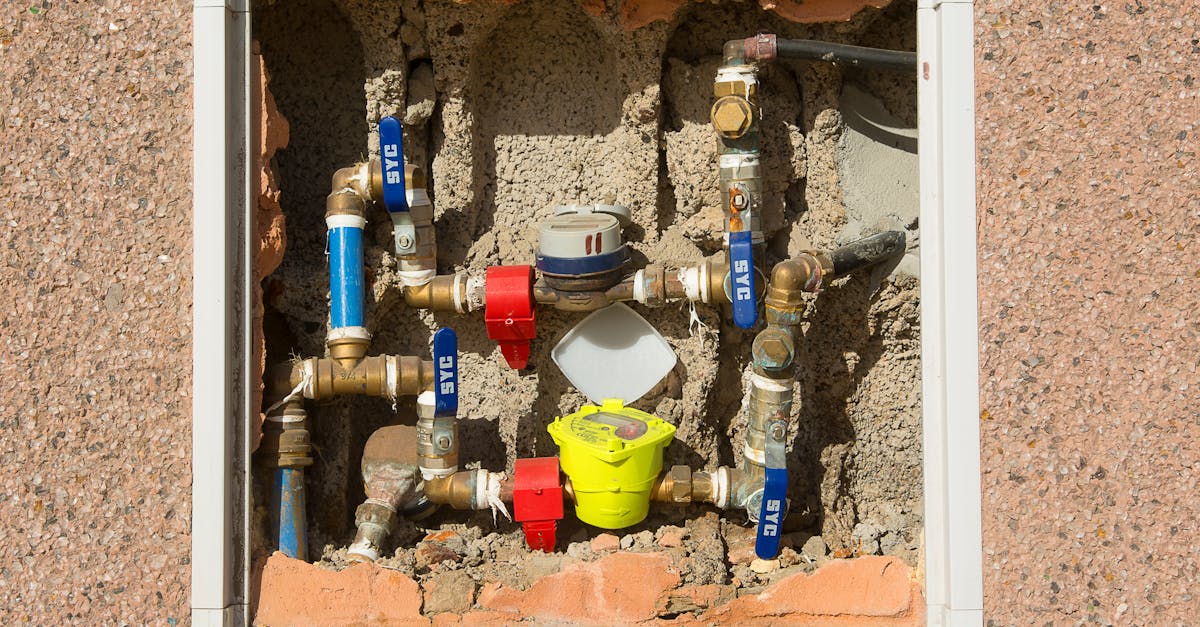
Electronic slab leak detection equipment and water meter testing Georgetown TX
Advanced Detection Technology

How We Find Slab Leaks Without Guessing

Our 8-step detection process pinpoints leaks with precision:

1. Initial Consultation — We interview you about symptoms, home age, and plumbing history
2. Visual Inspection — Foundation cracks, floor soft spots, landscaping, meter evidence
3. Water Meter Test — Shut off all water; if the meter moves, water is escaping
4. Pressure Testing — Air pressure applied to lines identifies leaks and estimates size
5. Electronic Listening — Acoustic devices "hear" water escaping under the slab
6. Thermal Imaging — Cameras detect heat signatures from hot water line leaks
7. Slab Camera — Fiber-optic probe visually inspects pipes when accessible
8. Comprehensive Report — Leak location, size, pipe type, repair options, and cost estimates

You'll know exactly what you're paying for before any work begins.

Your Repair Options: Spot Repair, Tunneling, or Repipe

The right choice depends on leak location, home age, soil conditions, and your budget

Budget-Friendly
Spot Repair
  • What It Is Cut small opening in slab, repair damaged section
  • Cost Range $500 – $1,500
  • Timeline 1-2 days
  • Best For Newer homes with single, accessible leak
  • Pros Cheapest option, minimal disruption, quickest
  • Cons Nearby pipes may fail next, temporary fix
Mid-Range
Tunneling
  • What It Is Tunnel horizontally under slab to reach pipes
  • Cost Range $1,500 – $3,500
  • Timeline 2-5 days
  • Best For Multiple pipes at risk, minimal slab damage
  • Pros Avoids breaking main slab, can repair multiple pipes
  • Cons Labor-intensive, messy, requires engineer approval
Permanent Solution
Repipe
  • What It Is Replace under-slab pipes with above-slab routing
  • Cost Range $3,000 – $8,000+
  • Timeline 3-7 days
  • Best For Older homes (40+ years), multiple leaks
  • Pros Eliminates future risk forever, easier access
  • Cons Most expensive, significant home disruption

Georgetown Home Age & Slab Leak Risk

Not all Georgetown homes face the same slab leak risk. Here's what you need to know based on your home's age:

HOMES BUILT 1970s–1990s (HIGHEST RISK)
These homes typically have copper under-slab piping. After 30-50 years, corrosion and stress cracks are common. Georgetown clay soil movement accelerates failure. Risk Level: HIGH. We recommend proactive monitoring and annual inspections.

SUN CITY HOMES (EARLY 2000s)
Built on similar clay soil with PEX under-slab routing (more flexible than copper). Some Sun City residents are now reporting slab leaks as homes age (20+ years), suggesting even PEX is vulnerable to long-term clay soil movement. Risk Level: MODERATE.

NEWER HOMES (POST-2010)
Most use PEX with improved installation methods. Risk is lower but not zero. Risk Level: LOW (for now). Stay vigilant.

DOWNTOWN HISTORIC HOMES
Mixed ages and pipe types. Some may have even older cast-iron or galvanized steel under-slab lines. Risk Level: VERY HIGH. Immediate inspection recommended.

AREAS WITH TREE ROOTS
Roots seeking moisture can crack under-slab pipes or damage the slab itself. Live oak and pecan trees are common in Georgetown and pose additional foundation damage risks.

Slab Leak Detection & Repair Costs

Transparent pricing with no hidden fees. Free estimates after detection.

Detection Only

Electronic + pressure testing

$200–$400
  • Water meter test
  • Pressure testing
  • Acoustic listening
  • Thermal imaging (if applicable)
  • Written leak location report
Book Detection

Spot Repair

Small accessible leak repair

$500–$1,500
  • Leak location confirmation
  • Concrete cutting (minimal)
  • Pipe repair/replacement
  • Slab sealing
  • Testing & verification
Get Estimate

Tunneling

Multi-pipe or complex repair

$1,500–$3,500
  • Horizontal tunneling under slab
  • Multiple pipe repairs possible
  • Engineer approval included
  • Soil restoration
  • Structural integrity check
Get Estimate

Full Repipe

Permanent solution for older homes

$3,000–$8,000+
  • Complete under-slab pipe replacement
  • PEX or copper routing above slab
  • Wall/ceiling patching
  • Modern PEX installation
  • Lifetime peace of mind
Get Estimate

Slab Leak FAQs

Get answers to common questions about slab leak detection and repair

We perform a water meter test. Shut off all water in the home; if the meter moves, water is escaping (a leak). If it's still, check your usage habits. We can pinpoint a leak within minutes using pressure testing and acoustic listening devices.
No. Water leaks continuously, 24/7, until the pipe is repaired. The damage worsens: water undermines the foundation, promotes mold, and increases water bills indefinitely. Early repair ($600–$1,500) is far cheaper than waiting for foundation damage ($5,000+).
Most homeowners insurance does NOT cover the pipe repair itself (considered maintenance). However, water damage (mold, subflooring, foundation) may be covered. We provide detailed invoices and photos to support insurance claims. Contact your agent to confirm coverage.
It depends on the leak location and your foundation stability. We advise during inspection. For old homes in clay soil, repipe is often the better long-term investment.
Spot repair: 1–2 days. Tunneling: 2–5 days. Repipe: 3–7 days. We provide a timeline estimate before starting.
Not typically. Spot repair and tunneling don't require evacuation. Repipe may require temporary water shut-off (we work in stages to minimize disruption).

Don't Ignore Slab Leak Signs

High water bills, warm floors, or foundation cracks are red flags. Pro Plumber Georgetown has helped hundreds of homeowners detect and repair slab leaks before they become disasters. Our advanced detection technology pinpoints leaks without guessing. You'll know exactly what you're paying for and what you're fixing. Fast Detection • Three Repair Options • Honest Recommendations • Peace of Mind

Call (737) 252-6326 for Slab Leak Detection