
leak detection service Georgetown TX

Professional Leak Detection Services

Professional Leak Detection in Georgetown, TX

Wondering why your water bill jumped $50 this month? You might have a hidden water leak costing you hundreds. Leaks waste water and money—and in Georgetown's hard water environment, corroded pipes fail silently. Our advanced leak detection pinpoints problems without tearing up your walls or yard.

Signs You Might Have a Hidden Leak

Watch for these warning signs that could indicate a hidden water leak in your Georgetown home

Unusually High Water Bill

A jump in monthly water bills without increased usage is the #1 sign of a leak. Even a small leak (1 gallon per hour) wastes 8,760 gallons annually—about $35+ in water/sewer charges alone in Georgetown. If your bill spiked, don't wait; water damage compounds.
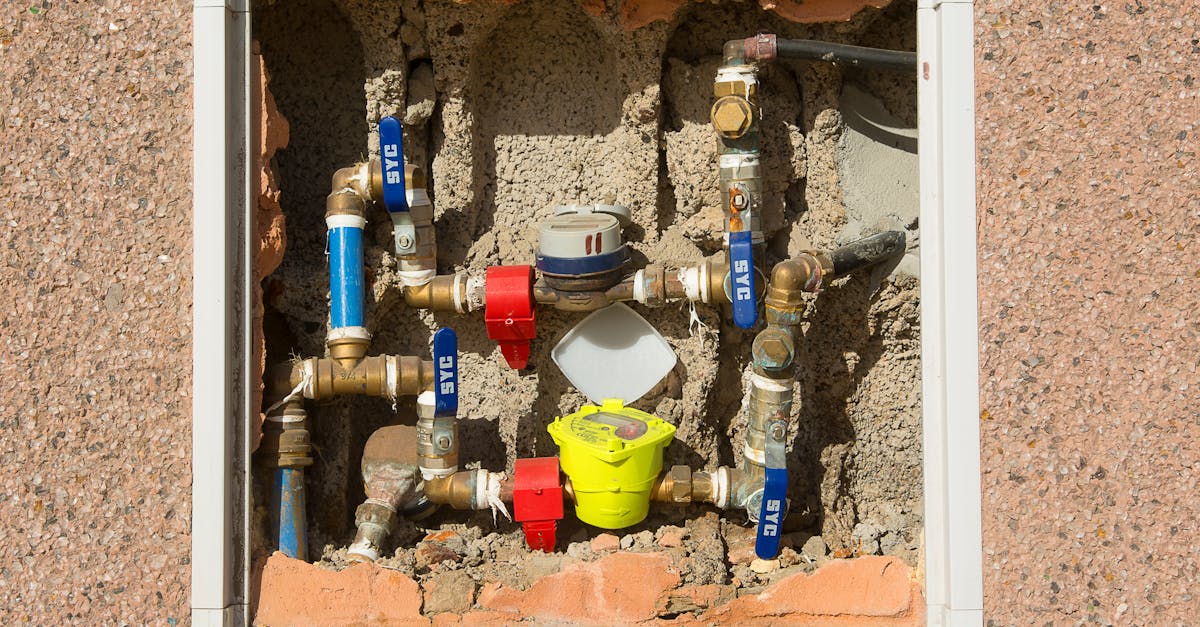
Water Meter Spinning

Turn off all water inside the house. If the meter continues to spin, you have an outdoor leak. Check the meter dial: A small rotating dial means water is leaving your home.

Musty, Moldy Smell

Persistent musty odors in basements, crawl spaces, or around walls indicate moisture accumulation. This often signals a leak in a slab, wall, or underground line.

Water Stains & Warped Flooring

Visible stains on ceilings or walls point to leaks above or within the wall cavity. Soft, buckling, or warped flooring may indicate slab leaks or crawl space leaks.

Georgetown water meter and plumbing inspection

Why Georgetown Homes Are Prone to Leaks

Georgetown's water supply comes from the Edwards Aquifer and Lake Georgetown, passing through limestone aquifer. Water hardness consistently measures 15–25 grains per gallon (very hard). Hard water deposits calcium and magnesium inside pipes, causing scale buildup. Over time, this scale weakens pipes and encourages corrosion at joints.

Homes built in the 1970s–1990s (Serenada, early Sun City, older central Georgetown) often have copper pipes nearing the end of their 40–50 year lifespan. Some 1980s Georgetown homes may have polybutylene pipes (gray plastic), which are notorious for premature failure and are considered high-risk by plumbers and insurers. Expansion and contraction from extreme Texas heat stress joints and connections.

Our Leak Detection Technology

State-of-the-art equipment to find leaks without damaging your home

Electronic Leak Detection

Advanced acoustic listening devices detect sound signatures from water under pressure. Our equipment narrows the leak location to within feet. Non-destructive: No guessing, no tearing up drywall or digging blindly.

Thermal Imaging

Thermal cameras detect temperature differences caused by moving water. Leaking water flowing through wall cavities or under slabs creates cooler patches we can visualize on the thermal image.

Video Camera Inspection

High-resolution waterproof cameras visually inspect interior pipe conditions for drain and sewer line leaks. We identify cracks, breaks, root intrusion, and separation points—the exact cause of the leak.

Types of Leaks We Find & Repair

From slab leaks to fixture drips—we locate and fix them all

Slab Leaks

Homes on concrete slabs develop leaks in copper or PEX lines beneath the slab. Symptoms: wet spots on flooring, warm spots on concrete, high water bills. Many 1970s–1980s Georgetown homes (Serenada, early Sun City) have vulnerable copper lines. We typically recommend repiping to reroute water lines through attic or walls.

Pipe Leaks Behind Walls

Copper pipes inside walls corrode from the outside (pinhole leaks) or fail at solder joints. Symptoms: water stains on walls, soft drywall, musty smell, visible mold. Acoustic sensors pinpoint the exact wall stud bay where the leak occurs.

Outdoor / Underground Line Leaks

Water supply lines from the meter to your home can fail underground. Symptoms: wet spots in the yard, soggy lawn, high bill despite no indoor leaks. Hard water and root intrusion from native live oaks accelerate outdoor line corrosion.

Fixture Leaks

Slow drips from faucets, showerheads, or under-sink connections waste water and often go unnoticed. Our detection service identifies all active leaks, even minor ones, so you can prioritize repairs.

Our Leak Detection Process

A systematic approach to finding and fixing your leak

Initial Call & Symptoms Assessment

You describe the signs you've noticed (high bill, wet spot, smell, etc.). We ask questions about your home's age, location, and recent water usage. Free consultation.

On-Site Inspection

Our licensed plumber arrives at a scheduled time for visual inspection of accessible pipes, meter check, and building overview.

Detection Service

We deploy electronic, thermal, or camera technology depending on suspected leak location. Process is non-invasive; we do not cut into walls or dig unless necessary.

Pinpointing & Documentation

We identify the leak location with precision and photograph/document findings. You receive a written report with location, severity, and repair recommendation.

Repair Options & Quote

We explain whether the leak is a simple repair or requires repiping. You get a detailed estimate for repair.

Follow-Up Testing

Once repairs are complete, we re-test to confirm the leak is sealed and your plumbing is working properly.

Leak Detection & Repair Costs

Transparent pricing for Georgetown homeowners

Leak Detection Service

$150–$400 per service
  • Simple faucet leak detection: $150–$250
  • Slab or wall leak detection: $250–$400
  • Electronic & thermal imaging included
  • Written report with photos
  • Repair estimate provided
Schedule Detection

Repair Costs

Variable based on scope
  • Fixture leak repair: $75–$200
  • Pinhole leak repair: $300–$500 per hole
  • Slab leak (repiping): $1,500–$4,000+
  • Full house repiping: $4,000–$10,000+
  • Upfront pricing, no surprises
Get Repair Quote

Leak Detection FAQs

Common questions about finding and fixing hidden leaks

A typical leak detection appointment lasts 30 minutes to 1.5 hours depending on the leak's location and how accessible pipes are. We'll give you a time estimate when you call.
No. Our primary methods (acoustic, thermal imaging, camera) are non-destructive. We only excavate or open walls if the homeowner approves and we need to access the leak for repair.
Small fixture leaks (dripping faucet) can be DIY. However, hidden leaks behind walls, under slabs, or in underground lines require professional detection and repair tools. Attempting to find these leaks yourself risks creating more damage.
Absolutely. Many leaks are completely invisible—inside walls, under concrete, or in outdoor lines underground. Even a small pinhole leak wastes thousands of gallons a year. A professional detection service will tell you for certain.
If your home is over 30 years old (common in Georgetown), we recommend a plumbing inspection every 2–3 years. If you notice warning signs (high bill, soft spots, musty smell), call immediately.

Don't Let a Hidden Leak Drain Your Wallet

Our certified plumbers use cutting-edge technology to find leaks fast—and fix them right. Serving Georgetown, Sun City, Teravista, and all of Williamson County. Water leaks are sneaky, expensive, and often invisible. But they don't have to ruin your home or your budget.

Schedule Free Leak Detection Estimate