When to Call an Emergency Plumber vs. DIY Fix (Homeowner Guide)
Is it a plumbing emergency, or something you can fix yourself? Here's how to tell.
As a homeowner, you don't want to overpay for unnecessary emergency service, but you also fear making problems worse with DIY attempts. This guide clearly distinguishes emergencies (call a plumber immediately) from manageable DIY fixes.
Key Principle: Emergency = risk of property damage, safety hazard, or problem escalation if delayed.
We'll include water shutoff instructions (essential in any emergency) and explain how Georgetown's hard water affects which issues are DIY vs. emergency.
DEFINITELY CALL AN EMERGENCY PLUMBER
1. Gas Line Leak or Smell
Why Emergency: Gas leaks are LIFE-THREATENING; explosions, carbon monoxide poisoning, and fire hazards are real risks.
What to Do:
- DO NOT ignore smell of rotten eggs (natural gas odorant)
- DO NOT use any electrical switches, lighters, or spark-creating devices
- Open windows/doors immediately (ventilate)
- Leave home if smell is strong
- Call 911 AND your gas utility (not just plumber)
- Wait outside for emergency responders
Do NOT: Try to locate leak yourself, attempt repair, or use phone inside home if strong smell is present.
Response Time: Police/fire arrive within minutes; they typically shut off gas at meter. A professional plumber is called after safety is secured to reseal or replace gas line. Cost is higher for after-hours service, but worth it for safety. Prevention: Schedule annual gas line inspection by a professional.
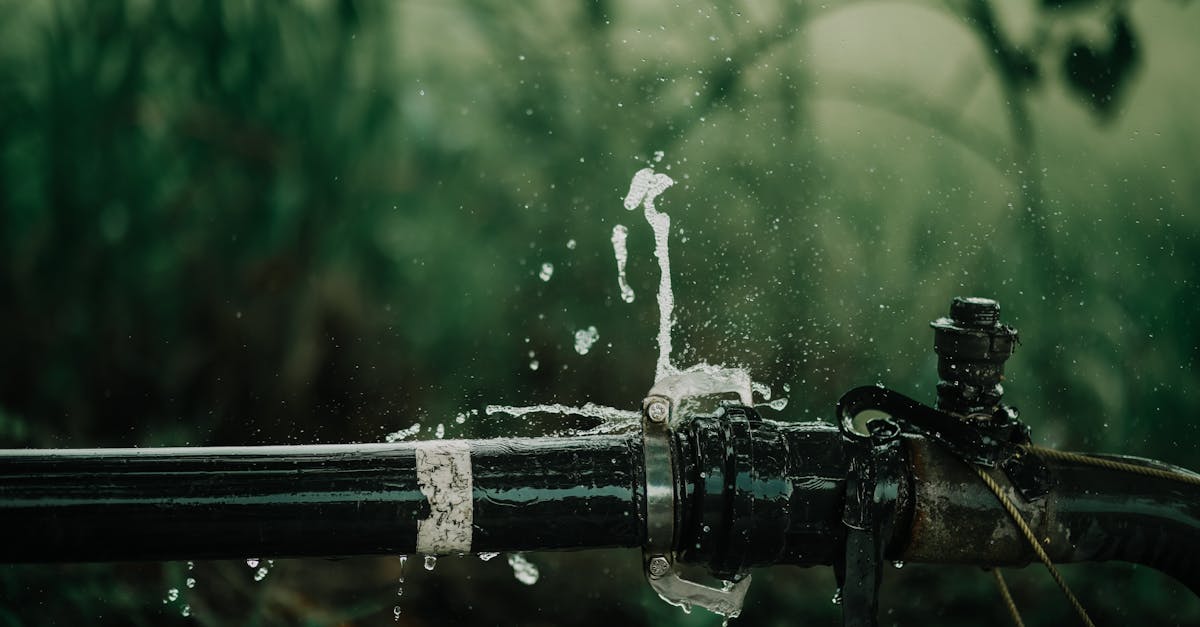
2. Burst Pipe / Major Water Leak / Flooding
Why Emergency: Burst pipes spray 250+ gallons/minute; catastrophic water damage occurs within minutes.
What to Do:
- IMMEDIATELY shut off main water supply at meter/curb shutoff
- Location: Usually near street, in curb box, or near foundation (know where yours is before emergency!)
- Shutoff: Turn valve clockwise (some are hard to turn; may need wrench)
- Stop water flow; prevents additional damage while waiting for plumber
Call Professional: After water shutoff, call emergency plumber immediately. Once water is stopped, assess damage and document with photos for insurance. Every minute of delay = more water damage. Emergency response is justified here; damage prevention is critical. Know your shutoff location NOW; mark it clearly and practice turning it.
3. No Water to Entire House
Why Emergency: Can't use toilets, showers, sinks; unsanitary conditions; potential emergency if need water for medical reasons.
Causes:
- Main line break (most likely)
- Shutoff valve failure
- Water heater failure (if causing backpressure)
- City water main break (rare)
What to Do: Call water utility first (check if city-wide outage); if localized, call plumber. Professional diagnosis and repair of main line may require excavation. Living without water is not sustainable; emergency service is justified.
4. Sewer Backup / Toilet Overflow / Sewage in Home
Why Emergency: Sewage in home = biohazard; health/safety risk; mold/disease risk.
What to Do:
- Stop using plumbing immediately (no flushing, showers, sinks)
- Open windows; ventilate home
- Avoid contact with sewage
- Call professional immediately
Cause: Main sewer line clog, break, or blockage. Video inspection identifies cause; hydro-jetting clears, repair if line broken. Cost is higher for emergency, but sewage in home is genuine emergency. Biohazard cleanup often requires specialized company (not plumber).
5. Hot Water Heater Leaking/Flooding
Why Emergency: Active leak flooding room; water damage escalating.
What to Do: Shut off water at main shutoff; shut off gas/electric to heater; call plumber for assessment, repair or replacement.
YOU CAN TRY DIY FOR THESE
1. Slow or Clogged Drain (Single Fixture)
DIY Approach:
- Use plunger: fill sink/tub with water, plunge vigorously 10-15 times
- Try drain snake: feed down drain, feel for blockage, pull/twist to extract hair, debris
- Remove aerator (screen under faucet), clean debris if visible
- Use hot water flush (boil water, pour down drain) — helps sometimes
Success Rate: 70%+ for hair clogs, simple blockages. Cost: Plunger $15, snake $25 (one-time investment). If plunger/snake doesn't work after 2-3 attempts, call professional. Don't use chemical drain cleaners (dangerous, damage pipes); hydro-jetting requires professional equipment.
2. Running Toilet
Why DIY: Simple fix; most common issue; inexpensive parts.
How to Diagnose:
- Toilet continuously fills after flush (water running into tank)
- Listen for hiss in tank after flush
- Water may trickle into bowl
Common Causes:
- Fill valve stuck/worn (toilet refills slowly after flush)
- Flapper worn/warped (doesn't seal tank, water leaks into bowl, tank refills constantly)
- Float stuck (tells fill valve to keep refilling)
DIY Repair: Turn off water shutoff (valve on wall behind toilet). Lift tank lid (carefully, it's heavy). Check if fill valve is jammed, flush manually to see if it shuts off. If flapper is obvious offender, kit available at hardware store ($10-20) with instructions. If more complex, call professional.
Cost: $15-30 for parts; saves $150+ plumber call. Call professional if issue persists after flapper/fill valve replacement.
3. Dripping Faucet
Why DIY: Simple cartridge or washer replacement; common, inexpensive.
How to Diagnose: Faucet drips when off; drip rate (occasional vs. constant). Cartridge or compression valve likely worn.
DIY Repair: Turn off water shutoff (under sink). Consult faucet manual or YouTube video for your specific faucet model. Remove handle, replace cartridge or washer. Cost: $15-50 for part; 15-30 minutes.
Success: 80%+ for simple single-handle cartridge faucets. Call professional if leak under sink persists, faucet is more complex, or you don't feel confident.
4. Low Pressure at Single Fixture
DIY Approach: Often the aerator (screen) is clogged with mineral (Georgetown's hard water). Remove aerator by unscrewing from faucet tip. Soak in vinegar 1-2 hours to dissolve mineral. Rinse, reinstall. Cost: $0 (vinegar at home). Success rate: 90% for mineral-clogged aerators.
Emergency Water Shutoff: Know This Before Crisis
Main Water Shutoff Location
Critical Knowledge: Know where your main shutoff is BEFORE emergency.
Common Locations:
- Curb/meter box: Look in front yard near street; square/rectangular concrete box; valve inside
- Foundation wall: Near basement entrance or crawlspace entry (older homes)
- Garage: Near where water line enters home
- Under kitchen sink: Some homes have secondary shutoff here
How to Access Curb Box: Look for small rectangular concrete box in yard (often near mailbox, driveway). Box has cover (may be stuck, requires pry bar). Inside: water meter and shutoff valve. Valve near meter; marked with "water" or similar.
How to Shut Off: Valve handle turns clockwise to close (remember: "righty-tighty"). May require wrench if stuck/corroded (keep adjustable wrench near shutoff). Turn fully; water should stop flowing. Test: Turn off valve, try running sink faucet (should be dry).
Secondary Shutoffs
- Water Heater Shutoff: Usually near water heater; stops water to heater only
- Toilet Shutoff: Behind/below toilet; stops only toilet water (use before plunger attempt)
- Under Sink Shutoffs: Kitchen, bathrooms; some homes have these (convenient for fixture work)
Walk through your home, identify and mark all shutoff locations. Take photos, label locations, ensure everyone in home knows main shutoff location. A plumber can locate and label all shutoffs if unsure.
When to Call Emergency vs. Regular Service
Emergency Service (After-Hours Premium, $100-250 surcharge):
- Risk of catastrophic damage if delayed (burst pipes, flooding, sewage backup)
- Safety hazard (gas leak, no water, electrical hazard)
- Affects basic home function (no water, sewage backup)
- Examples: Burst pipes, sewer backup, gas leak, flooding, no water
- Cost Justification: Damage prevention worth premium
Regular Service (Schedule Next Available):
- Can wait 24-48 hours without escalation
- No risk of major property damage
- Affects comfort but not essentials
- Examples: Slow drain, dripping faucet, running toilet, low pressure at one fixture, water heater not working (if water available elsewhere)
- Cost: Standard rates; no emergency premium
Gray Area (Call & Describe):
- Water heater completely failed (no hot water)
- Significant moisture under sink (may indicate ongoing leak)
- Call and describe; plumber advises emergency or regular service
- Many issues can wait until next business day with minor temporary precautions
DIY Mistakes That Cost More
1. Using Chemical Drain Cleaners
Caustic chemicals damage older pipes (galvanized, cast iron). Can burn skin/eyes (dangerous). Effectiveness is limited (usually just creates hole through blockage, not true clearing). When professional eventually called, chemicals make work harder/dangerous. Better: Mechanical methods (plunger, snake) or professional hydro-jetting.
2. Ignoring Small Leaks
Dripping faucet (1 drop/second) = 2,700 gallons/month wasted. Small leak ignored becomes big leak (burst). Under-sink leak ignored causes mold, water damage, subfloor rot. Early intervention: $150-300 repair; late intervention: $2,000+ damage restoration. Don't assume small = unimportant.
3. Attempting Complex Repairs Without Experience
Repiping, water heater replacement, slab leak repair are specialized. Wrong approach causes more damage. Professional experience saves money long-term. Know your limits; call professional for anything beyond simple fixture work.
Need Professional Help?
Knowing when to DIY vs. call a professional plumber saves money and prevents damage. If you're ever unsure, it's okay to call for a professional opinion.
Pro Plumber Georgetown offers emergency service 24/7 for genuine emergencies, and regular service for planned repairs. For any plumbing question — DIY or emergency — we're here to help.
Call for Emergency Service 24/7: (737) 252-6326
Licensed, Insured, Emergency Response Available
Pro Plumber Georgetown — We're Here When You Need Us