Common Plumbing Issues in Georgetown's Older Homes (And How to Fix Them)
Introduction
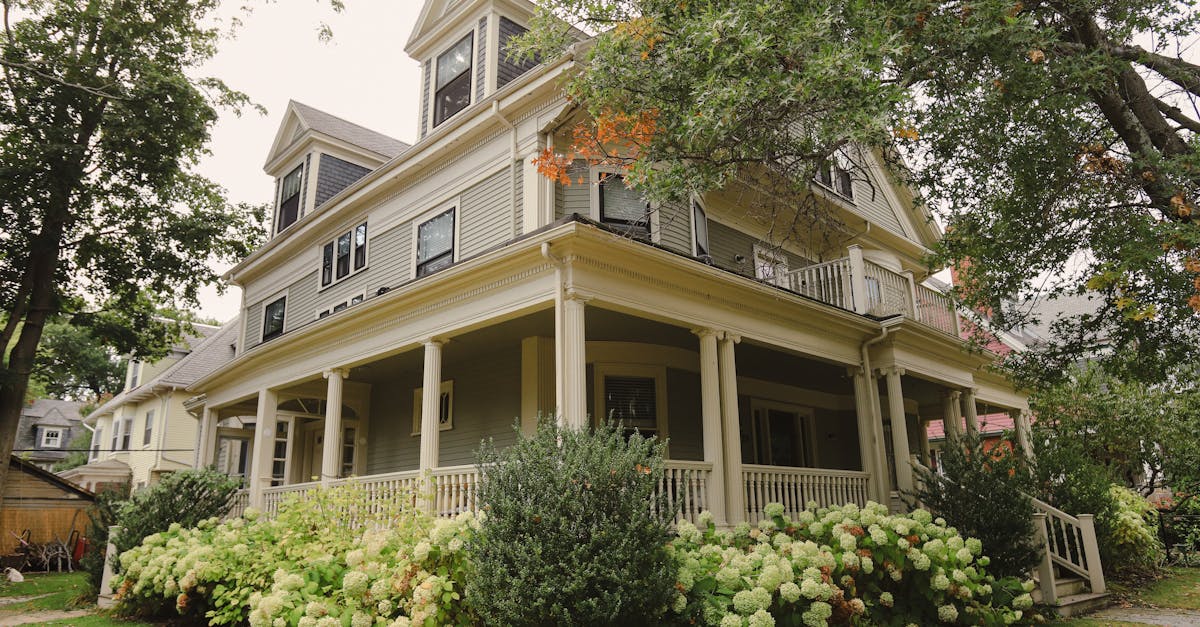
Georgetown's older homes are charming, historic, and valuable — but their plumbing is likely aging. Many Georgetown homes built in the 1970s-1990s are now 30-50+ years old, and their original plumbing systems installed decades ago are failing or nearing failure.
Homeowners love their older homes but worry about aging infrastructure and costly repairs. This guide explains common plumbing issues in Georgetown's older homes, explains the risks, and helps you decide whether to proactively address them.
Key Insight: Proactive inspection and strategic upgrades prevent emergency failures and water damage. This guide covers downtown historic district, Serenada, established areas off Williams Drive, and other pre-2000 neighborhoods.
Don't worry — this isn't doom-and-gloom. Older homes can have reliable plumbing with proper maintenance and targeted upgrades.
Older Georgetown Neighborhoods
Historic Downtown District
Homes built from the 1900s-1960s feature charming architecture in established neighborhoods. Plumbing has been updated periodically, creating a mix of original and upgraded systems. Some homes still have original lead solder joints from before 1986.
Serenada
Built in the 1970s-1990s, Serenada is Georgetown's oldest master-planned community. These 30-50 year-old homes have original plumbing systems mostly intact, with high concentrations of galvanized, old copper, and polybutylene pipes.
Berry Creek
Built in the 1990s-2010s, Berry Creek is an established golf course community. Homes are now 15-30+ years old with a mix of materials — some polybutylene may still be present.
Established Areas (Williams Drive, South Georgetown)
These areas feature a mix of 1970s-2000s homes. Common plumbing materials include galvanized steel, copper, and some polybutylene.
Issue #1: Galvanized Steel Pipes
What It Is: Steel pipes coated with zinc (galvanizing) to prevent rust. Common in homes built pre-1970s and some as late as the 1980s. Originally rated for a 40-50 year lifespan.
Why It Fails
The zinc coating corrodes over 50+ years. Interior rust accumulates inside the pipe, creating sediment that reduces water flow. The pipe's interior diameter shrinks over time, diminishing flow. Eventually, rust eats through the pipe wall, causing pinhole leaks and burst pipes.
Signs of Problems
- Low water pressure throughout the home (not just one fixture)
- Rusty, discolored water from taps (especially first water of the morning)
- Visible rust stains/corrosion on exterior of pipes
- Multiple leak repairs needed over the years
- Appliances struggling with low pressure
Health Concern
Rusty water is not dangerous — the high iron content makes water discolored but safe. However, rust indicates advanced internal corrosion and compromised structural integrity. If the exterior shows heavy rust, the interior is likely worse.
Solutions
Spot Repair (if single leak): $150-400; temporary fix only.
Full Repiping (recommended): Replace all galvanized with copper or PEX ($4,000-10,000).
- Copper: Traditional, durable, excellent for hard water, lasts 50+ years
- PEX: Modern, flexible, cost-effective, lasts 50+ years
Phased Repiping (budget-conscious): Replace most-used lines first (kitchen, master bath), other areas later.
Cost Impact: Ignoring galvanized pipes means continued low pressure, occasional repairs ($200-400 each), and property value impact. Proactive repiping has high upfront cost ($4,000-10,000) but solves the problem permanently, increases property appeal, and restores full water pressure.
Issue #2: Polybutylene Pipes
What It Is: Plastic plumbing material (PB) used from the 1980s-2005 (peak use 1995-2005). Looks like flexible gray/white plastic tubing. Marketed as a low-cost alternative to copper/PVC, it was later discovered to have premature failure issues.
Why It Fails
The material brittles over time due to UV exposure, chlorine, and oxidation. Connections fail as tubing gets brittle and cracks. Burst failures can release gallons of water. Class action lawsuits against manufacturers acknowledged the premature failure risk.
Signs of Problems
- Leaks at connection points (fittings)
- Visible cracks in plastic if accessible
- Water discoloration
- Increasing leak frequency
Risk Timeline
Some PB pipes fail at 5-10 years; others last 20+. It's unpredictable — you don't know if yours will fail next month or in 10 years. Risk increases with age.
Solutions
Do Nothing (accept risk): If no leaks yet, could go years without problems OR fail tomorrow.
Proactive Replacement (recommended): Replace PB with PEX or copper ($3,000-8,000).
Insurance Consideration: Some insurance companies won't insure homes with PB plumbing; others charge premiums.
Cost vs. Risk: Repiping upfront cost ($3,000-8,000) is higher than continuing risk. But catastrophic PB failure (burst pipe, flooding) costs $3,000-10,000+ in water damage. Proactive repiping gives peace of mind, avoids emergency costs, and improves your insurance situation.
Issue #3: Old Sewer Lines
What It Is: The main sewer line from your home to the municipal sewer or septic. Homes built 1970s-1990s typically have clay or Orangeburg (bituminous fiber) pipes. Original sewers are now 30-50 years old.
Why It Fails
Clay pipes: Roots intrude through joints seeking water; clay pipes crack under root pressure.
Orangeburg: Bituminous material deteriorates; pipes collapse internally.
Age: Both materials reach end of lifespan at 40-50 years.
Foundation Settlement: Clay soil movement cracks sewer lines.
Signs of Problems
- Multiple toilet clogs/backups (not just one fixture)
- Slow drainage throughout home
- Sewage backup into basement
- Wet spots/soggy areas in yard over sewer line
- Persistent smell of sewage
- Frequent plumber visits for main line clearing
Solutions
Professional Video Inspection: $200-300; reveals sewer line condition.
Root Treatment (temporary): $200-400; kills roots but doesn't repair pipe.
Sewer Line Replacement (permanent): $4,000-15,000+ depending on length, depth, and accessibility.
- Trenchless technology (horizontal boring) is less disruptive but more expensive
- Traditional excavation is cheaper but involves digging up the yard
Maintenance
Professional cleaning once every 3-5 years if root intrusion is present (prevents emergencies). Cost: $300-500/cleaning — far less than emergency backup or full replacement.
Issue #4: Outdated Water Heaters
Many homes still have original water heaters installed in the 1970s-1990s. If still functioning, they're ancient by appliance standards and failure is imminent.
Lifespan Reminder: Standard heaters are designed for 40-50 year lifespans nationally. In Georgetown's hard water: 6-8 years expected lifespan. A 30-year-old heater is well beyond expectancy.
Signs of Failure: Age 10-15+ years, rusty exterior, leaking, no hot water, strange noises.
Solution: Replace with a modern heater. See our Water Heater Buying Guide for options. Cost: $1,200-4,000 depending on type.
Issue #5: Outdated Fixtures & Lead Solder
Lead Solder (Pre-1986)
Homes built before 1986 may have lead solder in plumbing joints. Lead exposure risk primarily affects infants and young children. Highest risk if solder was recently disturbed (recent repairs). Running cold water 30 seconds before drinking reduces lead intake. A professional plumber can identify and replace lead solder connections.
Outdated Fixtures
Original faucets and toilets from the 1970s-1980s may be inefficient, wasting water. Modern low-flow fixtures reduce water use by 20-40%. Replacement improves efficiency, water quality, and aesthetics.
Issue #6: Outdated Drain Systems
Cast Iron Drain Pipes
Common in homes pre-1980s. Metal cast iron is durable but eventually corrodes. Interior rust reduces drain capacity and increases blockage risk. Exterior corrosion is visible when structural integrity is compromised.
Solution: Replace with modern PVC (cost varies by scope). Often addressed during bathroom/kitchen renovations.
What To Do If You Own an Older Georgetown Home
Step 1: Professional Plumbing Inspection
Hire a licensed plumber for a full-system inspection. The scope includes:
- Pipe material identification (galvanized, copper, PB, etc.)
- Visible signs of corrosion, leaks, age
- Water pressure testing
- Sewer line video inspection (optional, $150-300 additional)
Cost: $150-300. Outcome: Written report identifying issues, urgency level, and cost estimates.
Step 2: Prioritize
Separate URGENT issues from PREVENTIVE upgrades:
- Urgent (address now): Active leaks, sewer backups, no water, lead solder in young children's water lines
- Soon (6-12 months): Failing water heater, visible corrosion, low pressure affecting daily life
- Preventive (plan ahead): Galvanized pipes showing early signs, polybutylene without failures yet, old fixtures nearing end of lifespan
Use the inspection report to create a priority list.
Step 3: Budget Planning
Major work (repiping, sewer replacement) costs $4,000-15,000+. Spread over time if budget is limited. Prioritize most-used areas (kitchen, master bath) first. Plan water softener installation alongside upgrades to extend heater and fixture life.
Step 4: Phased Upgrades
You don't have to fix everything at once. A phased approach works well:
- Year 1: Fix urgent issues, replace water heater
- Year 2: Kitchen repiping, faucet upgrade
- Year 3: Bathroom repiping, water softener
Each phase spreads cost, allows budgeting, and prevents emergency repairs by addressing issues before catastrophic failure.
Benefits of Addressing Older Home Plumbing
Property Value
Buyers are concerned about aging plumbing. Updated plumbing increases home appeal and selling price. A professional inspection report demonstrates care and maintenance.
Reliability
No more guessing if an emergency is imminent. Peace of mind knowing systems are functional. Reduces emergency repair costs.
Efficiency
Water softeners extend appliance life. Modern fixtures reduce water use. Lower utility bills.
Safety
Eliminate lead solder exposure (if present). Fix gas line or electrical hazards. Prevent water damage to your home.
Schedule Your Older Home Plumbing Inspection Today
Older Georgetown homes have character and value — with the right care, their plumbing can be reliable and modern.
If you own a home built before 2000, a professional plumbing assessment is one of the smartest investments you can make.
Pro Plumber Georgetown specializes in older homes. We identify issues, prioritize solutions, and help you plan upgrades. Don't let aging plumbing surprise you with emergency failures.
Schedule Your Older Home Plumbing Inspection: (737) 252-6326
With 20+ Years Experience with Georgetown's Older Homes, we're your trusted experts.
Pro Plumber Georgetown — Experts in Older Home Plumbing