7 Warning Signs You Have a Slab Leak in Your Georgetown Home
A slab leak is one of the most expensive plumbing problems a homeowner can face — but the good news is you can catch it early.
A slab leak is water leaking from supply lines running beneath your home's concrete foundation. Early detection prevents catastrophic water damage, foundation damage, and mold growth. Most Georgetown homes — especially in Serenada, Berry Creek, and older established areas — sit on slab foundations with supply lines buried under concrete. The combination of clay soil and limestone geology makes slab leaks particularly common in our area.
This guide lists 7 clear warning signs, explains why each happens, and what to do if you suspect a slab leak. If you notice any of these signs, call a professional for leak detection — early action saves thousands.
Why Georgetown Homes Are Especially Vulnerable
Geological & Soil Factors
Georgetown sits on clay soil that expands and contracts dramatically with seasonal wet/dry cycles. Supply lines buried under concrete experience stress from this soil movement — clay expansion can kink, crack, or pinch pipes. The limestone bedrock means hard water (15-25 grains per gallon); mineral-laden water accelerates corrosion in your pipes. Homes that are 30-40 years old have experienced decades of foundation movement on clay soil. The result? Pipes under your slab are stressed, corroded, and prone to leaking.

Home Age Factor
Homes built in the 1970s-1990s in Serenada and older Georgetown areas are now 30-50+ years old. Many still have original copper or galvanized pipes. Thirty to forty year-old copper develops pinhole leaks, especially in hard water conditions. Galvanized steel pipes corrode from the inside out, with holes developing over decades. The timing is critical: Georgetown homes built in the 1970s-1990s are NOW at peak slab leak risk — not next decade, but right now.
The 7 Signs You Have a Slab Leak
Sign #1: Unexplained Spike in Water Bill
A pinhole leak under your slab leaks continuously — even at night when you're not using water. Even a small pinhole leak (1/4 inch) can leak 250-500 gallons per day unnoticed. This shows up as a monthly water bill spike of 50-100% without any behavior change.
Example: Your normal bill of $50-70/month suddenly jumps to $100-150/month for no apparent reason.

Detecting this: Compare water bills year-over-year and look for sudden changes. Always check for obvious leaks first:
- Running toilets (waste huge amounts of water)
- Dripping faucets (one faucet dripping one drop per second = 2,700 gallons/month)
- Visible outdoor water waste (sprinkler leaks, pool leaks)
If no visible leak exists, a slab leak is a strong possibility. Call a professional for leak detection — a pinhole under the slab is not visible to homeowners. Every day you delay means more water leaks, higher bills, and worsening water damage under your foundation.
What a professional does: Acoustic leak detection (listens to pipes), thermal imaging, or pressure testing to pinpoint the exact leak location.
Pro Tip: Request a comparison of your current bill versus the same month last year. If it's 50%+ higher with no behavior change, a slab leak is likely.
Sign #2: Sound of Running Water When Everything Is Off
When no fixtures are running, you may hear water flowing through pipes underneath your home. Listen at different points in your home — near the kitchen, near bathrooms, near the water heater. The sound is like rushing water, like someone running a shower when no one is. This noise happens 24/7, but is especially noticeable at night when the home is quiet.
Before assuming it's a slab leak, check:
- Running toilet (most common cause) — check all toilets for continuously running water
- Water line outside (frozen line, burst outside line, irrigation leak)
- Internal leak within walls
- Main water line regulator issue
If it's not a running toilet or obvious leak, a slab leak is a strong possibility. Have a professional listen with an acoustic stethoscope — they can pinpoint the location. Don't ignore this sound; it means water is escaping somewhere, and every day of running water adds to your bill and property damage.
Sign #3: Warm or Hot Spots on Floor
A hot water line (supply line from your water heater) leaking under the slab releases hot water directly into the concrete and soil. You'll feel a warm or hot spot on the floor, usually in kitchen or bathroom areas. These spots are larger than a typical footprint — 18-24 inches in diameter or larger.

Checking for it: Walk barefoot on kitchen and bathroom floors and feel for unusual warmth. This is more noticeable in winter when there's contrast with cold floors, and less noticeable in summer due to ambient heat.
Before assuming it's a slab leak, check:
- Water heater location (floor warm near water heater is normal)
- Radiant heating system (some homes have heating pipes under slab — if you have it, document the location)
If a warm spot has no explanation, it's likely a hot water line leak under the slab. Mark the warm area, note its size and location, and call for professional leak detection. The risks include hot water loss (water heater working constantly), high utility bills, and structural damage under the slab.
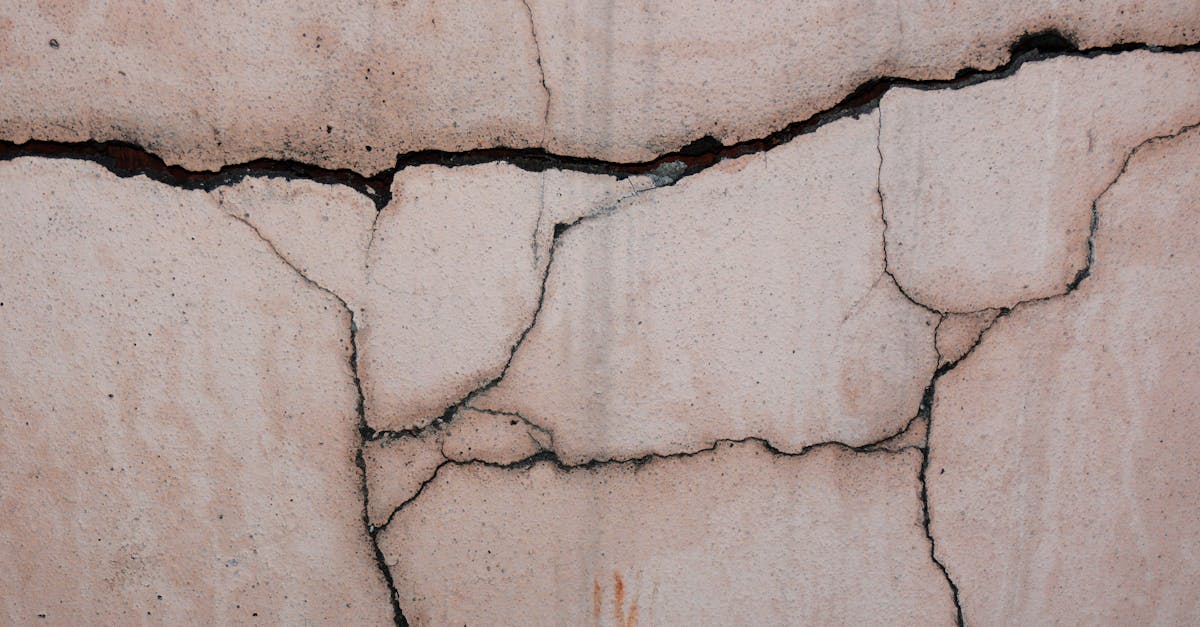
Sign #4: Cracks in Foundation or Walls
A slab leak causes water to escape and saturate soil under your foundation. This water weakens the soil, causing settling and stress on your home's structure.

Visible cracks to watch for:
- Small hairline cracks in drywall (minor concern, common in older homes)
- Larger cracks in foundation concrete itself (more serious)
- Cracks radiating from corners of doors and windows (symptom of foundation settling)
- Stair-step cracks in brick (very serious; indicates significant settling)
Small cracks can grow over time. Early cracks are often stable; growing cracks indicate ongoing movement. Keep in mind that foundational settlement is normal over 50 years, and many cracks are hairline and stable or merely cosmetic.
If you see cracks PLUS other signs, a slab leak is likely. Have a professional assess the cracks (photograph and measure them) to determine if they're growing. Combine this assessment with other signs you're experiencing.
Cost of ignoring: Water damage under your foundation accelerates, structural integrity becomes compromised, and repair costs escalate from $500 (early leak repair) to $5,000+ (foundation repair).
Sign #5: Mildew, Musty Smell Without Visible Moisture
A slab leak saturates soil under your home, and moisture evaporates into the crawlspace or under-slab area. This creates mold and mildew growth in damp conditions.
What you'll notice:
- Musty, earthy smell in certain rooms (usually areas above the leak location)
- Smell worse in humid weather or summer
- No visible moisture, wet spots, or water damage
- Smell persists despite cleaning and ventilation
Mold concern: Mold growth from moisture can affect indoor air quality, causing respiratory issues and allergies.
Before assuming it's a slab leak, check:
- Bathroom/kitchen exhaust not venting properly (moisture builds indoors)
- Crawlspace moisture (normal in some climates; usually fixable with a dehumidifier)
- Carpet/insulation absorbing moisture (could be from A/C condensation or humidity)
If you have musty smell PLUS warm floor PLUS water bill spike, a slab leak is very likely. Have a professional inspect the under-slab area if accessible; a moisture meter can detect saturation. Prolonged mold exposure can cause respiratory issues — address this promptly.
Sign #6: Low Water Pressure Throughout House
A pinhole leak under your slab loses water pressure, meaning less water reaches your fixtures. All fixtures experience reduced flow.
What you'll notice:
- Weak shower (not enough pressure for a good rinse)
- Slow toilet filling (tank takes 5-10 minutes to refill after flush)
- Faucets have weak flow
- Issue affects multiple rooms, not just one fixture
Before assuming it's a slab leak, check:
- Water main shutoff valve partially closed (common cause) — check valve for proper flow
- Regulator failure or undersized (check pressure at meter)
- Sediment in main line or aerators (common in homes with hard water)
- Municipal water pressure fluctuation (call city to check)
- Fixture aerator clogs (especially common in hard water areas)
Quick test: If pressure is low throughout the house AND other signs are present, a slab leak is likely. Professional pressure testing identifies if there's main line loss or if it's a fixture-specific issue. Ignoring this leads to more pressure loss as the leak worsens — eventually you may have no water to upper floors.
Sign #7: Wet Spots on Floor or Carpet
A large slab leak saturates soil, and water pools in low spots. Moisture wicks up through the concrete into your home.

What you'll notice:
- Wet spot on kitchen or bathroom floor (not from a recent spill)
- Carpet damp in certain area despite no water use
- Spot persists even after cleaning and drying
- Reappears after drying (indicates ongoing leak)
- Usually in the middle of a room (not near fixtures), indicating under-slab leak
Before assuming it's a slab leak, check:
- A/C condensation line backed up (indoor unit leaking) — check your A/C system
- Water heater leaking (usually visible at the heater location)
- Fixture above (upstairs bathroom) leak visible in ceiling below (check upper floor)
- Recently cleaned carpet (may take days to fully dry)
Serious signs: If a wet spot appears after carpet cleaning or drying attempts, a leak under the slab is almost certain.
DO NOT ignore wet floors and carpets — they indicate significant water escaping. Wet carpet and flooring plus warm temperatures equals rapid mold growth — a serious health hazard. Water damage to flooring, subfloor, and structural components can reach $5,000-10,000; early leak repair ($500-1,500) is far cheaper.
What to Do If You Suspect a Slab Leak
Step 1: Confirm (Not Panic)
Don't assume the worst-case scenario. Compare signs: do you have multiple indicators, or just one? A single sign (like slight moisture) could be a minor issue. Multiple signs (water bill spike + warm floor + musty smell) = likely slab leak. Document signs: take photos, note water bill increases, and record when you first noticed each symptom.
Step 2: Check the Obvious
Before calling for slab leak detection, rule out easier problems:
- Check all toilets for running water (most common cause of high bills)
- Look for obvious faucet drips, cabinet leaks, visible water damage
- Check outside for visible irrigation leaks, hose drips, water meter leaks
- Look at your water heater for visible leaks
If you find obvious leaks, fix those first before slab leak testing.
Step 3: Call a Professional
Professional leak detection ($150-300) uses:
- Acoustic equipment (listens to pipes, hears leak sound)
- Thermal imaging (detects temperature anomalies from leaking water)
- Pressure testing (identifies if there's loss in the main line)

A professional pinpoints the leak location, severity, and provides recommendations for repair.
Step 4: Understand Repair Options
- Spot Repair: Single pinhole leak fixed with access hole, pipe repair, and patching ($500-1,500)
- Section Replacement: If multiple leaks in one line, replace the section ($1,000-3,000)
- Above-Slab Rerouting: Reroute lines through walls and attic instead of under the slab ($3,000-6,000+)
- Monitor Option: If it's a small leak, install a water softener to slow corrosion, monitor your water bill, and plan future rerouting
A professional will recommend the best option for your specific situation.
Slab Leak Prevention
- Water Softener Installation: Hard water accelerates pinhole leaks in copper. A water softener slows corrosion and extends the life of pipes by 10+ years. Learn about water softener installation in Georgetown →
- Pressure Regulation: Excessive water pressure stresses pipes. A proper regulator maintains 60-80 psi and prevents stress failures.
- Pipe Inspection: If your home is 30+ years old with original pipes, consider a pre-emptive inspection. If corrosion is visible, repiping prevents catastrophic failure. Learn about repiping services →
- Monitor Bills: Keep an eye on water bills — a sudden spike is an early warning sign.
- Avoid Harsh Chemicals: Certain drain cleaners and swimming pool chemicals can damage pipes over time.
Slab Leak Detection in Georgetown, TX
Slab leaks are serious, but early detection prevents major damage. If you notice any of these signs — unexplained water bill spike, warm floors, musty smells, or wet spots — don't wait.
Pro Plumber Georgetown offers professional slab leak detection ($150-300). We pinpoint leaks with acoustic and thermal imaging, then recommend the best repair solution for your home. Catching slab leaks early saves thousands in water damage, foundation repair, and mold remediation.
Related Resources:
- Slab Leak Detection & Repair Services
- Emergency Plumber Services
- Leak Detection Services
- Plumbing Services in Serenada
- Plumbing Services in Berry Creek
Schedule Slab Leak Detection: (737) 252-6326
20+ Years Experience. Professional Detection. Honest Recommendations. Pro Plumber Georgetown — Slab Leak Experts